In short
Nags Head Woods Preserve is at 701 West Ocean Acres Drive in Kill Devil Hills, run by The Nature Conservancy. There is no fee, but visitors register at the outdoor information counter. Trails are open daily from dawn until dusk and the office is open Monday to Friday, 9 a.m. to 5 p.m. Eight trails run from 0.2 to 3 miles, mostly dirt with exposed roots. One 0.5 mile loop is fully ADA accessible on concrete and boardwalk. The main car park has 16 spaces plus 2 accessible spaces at the ADA trailhead. Toilets are at the office only, during office hours. Phone (252) 441-2525.
- Where
- Kill Devil Hills, NC
- Cost
- Free. Register at the outdoor information counter
- Season
- Trails open daily, dawn until dusk. Office Monday to Friday, 9 a.m. to 5 p.m.
- Time needed
- 20 minutes on the short loop, three hours if you walk the long trail
- Good for
- Birders, shade seekers, and one fully accessible boardwalk loop
- Address
- 701 West Ocean Acres Drive, Kill Devil Hills, NC 27948
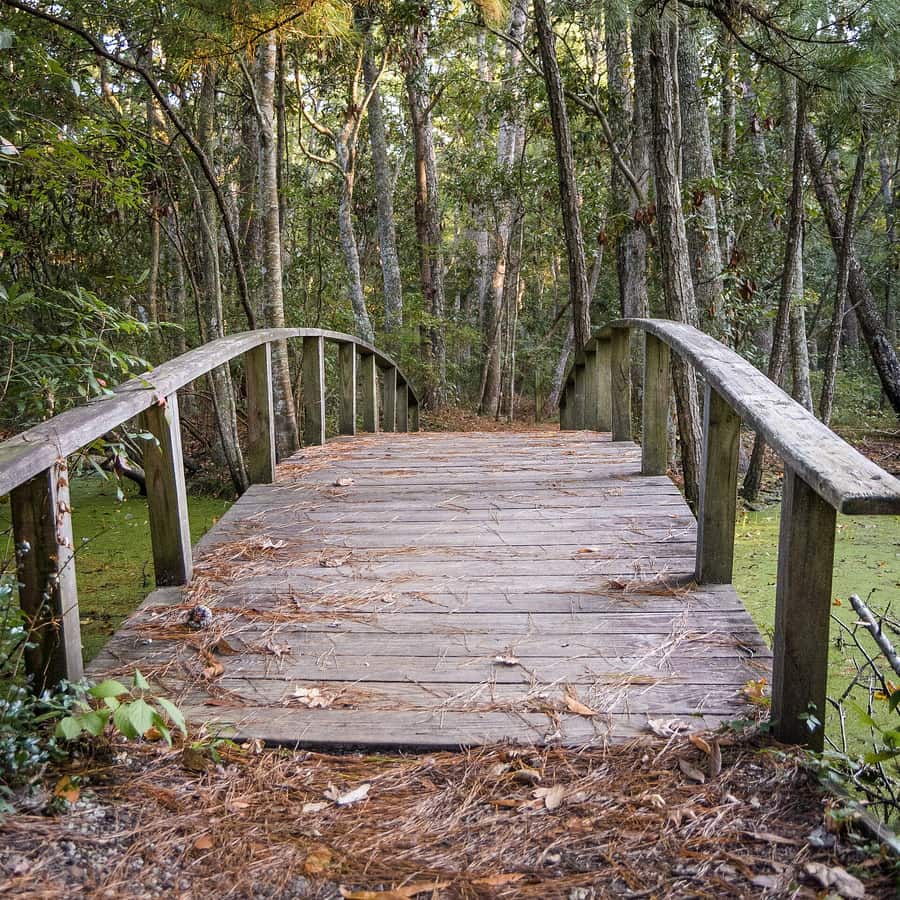
Everything else on this island is sand, wind and sun. Nags Head Woods is hundreds of acres of shade, and it sits behind the dunes of Jockey's Ridge, which is exactly why it exists. The great sand ridge takes the ocean wind, and in the lee of it oaks, hickories and beech trees have grown into a canopy that looks like the mountains of the eastern United States rather than a barrier island.
It is one of the largest remaining maritime forests on the East Coast. It was made a National Natural Landmark in 1974, and protecting it was one of The Nature Conservancy's first jobs in North Carolina.
What is actually in there
Seven distinct plant communities, one of which, the maritime deciduous forest, is globally rare. Over 550 species of plants have been recorded, from the hundred year old trees down to tiny orchids.
For anyone who watches birds this is the best few hours on the Outer Banks. More than 150 species have been recorded and at least 50 nest here. Prothonotary warblers, summer tanagers and blue grosbeaks spend the summer raising young before heading back to Central and South America. There are more than 50 amphibian and reptile species, over 20 mammals including river otter, and a bobcat, which is uncommon anywhere along this coast.
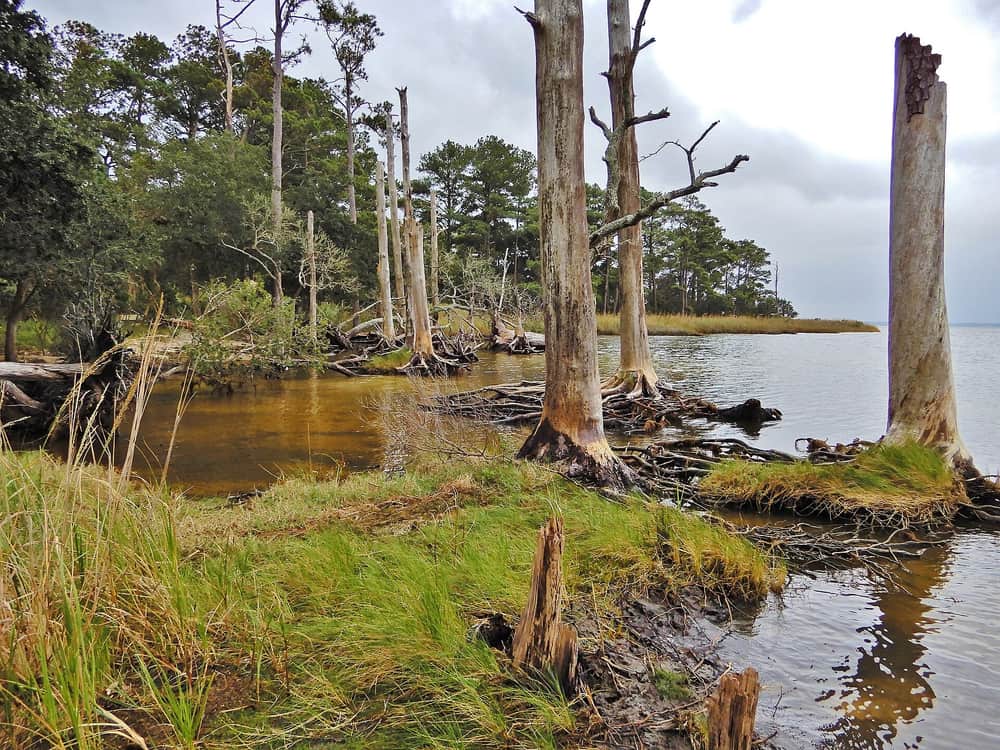
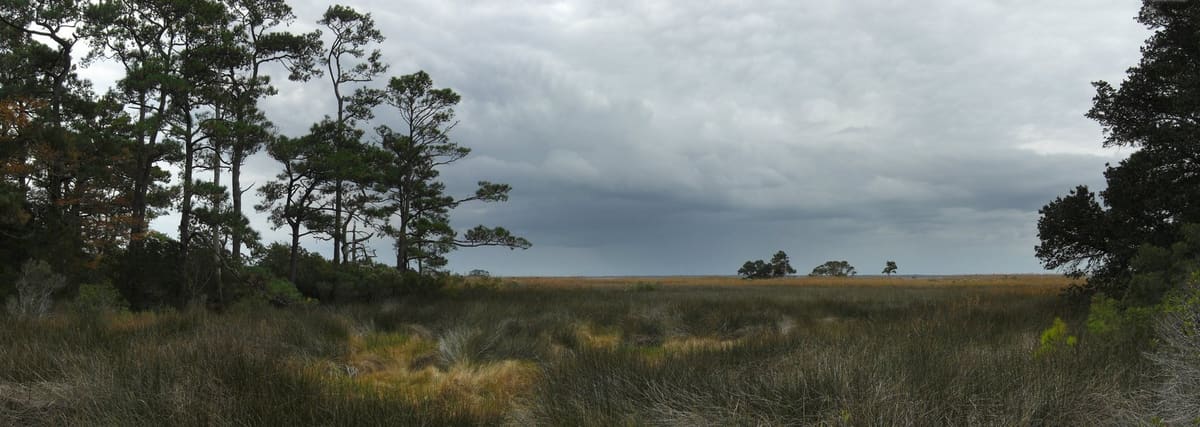
The freshwater ponds sitting between the wooded dunes hold seven species of fish and the rare water violet. Walk far enough west and the fresh water gives way to brackish marsh and then to the sound, and you can read the whole gradient in the trees standing dead in the shallows.
Trails, parking and the thing that ruins people's morning
There are eight trails, from 0.2 miles up to 3 miles. Most are dirt with grasses and exposed roots across the surface, so wear closed toe shoes and expect to watch your feet. Download the preserve trail map before you go, because the difficulty varies more than the lengths suggest. The trails are for walkers only, no bikes.
One trail is genuinely accessible rather than nominally accessible. A 0.5 mile loop of concrete and boardwalk, 6 feet wide, maximum 5 percent grade and maximum 2.5 percent cross slope, with two observation platforms, an accessible fishing platform and benches at the start and the halfway point. Its trailhead is separate from the main car park. From the main lot, turn left on Ocean Acres Drive, carry on to the stop sign and continue about 50 yards, and the signs are there along with two accessible spaces.
Now the part that catches people. The main paved car park has 16 spaces. Not 160. In high season that is gone by mid morning and there is nowhere else to put a car. Go early, or go at four in the afternoon when the beach crowd is heading back for dinner.
Two more practical notes. There is no fee, but you are asked to register at the outdoor information counter. And the toilets are in the administrative office, which keeps weekday office hours and closes when staff are out in the field, so do not plan around them.
One last thing that makes the walk better. Until the 1930s this was a village, with homesites, churches, a school, a gristmill and a shingle factory. You are walking through somebody's neighbourhood that the forest took back.
Hours and trail closures are set by The Nature Conservancy and change, so check the preserve page before you set out. The number is (252) 441-2525.
Common questions
How much does Nags Head Woods cost?
Nothing. There is no fee, though you are asked to register at the outdoor information counter by the car park so the preserve knows who is on the trails.
What are the hours?
Trails are open every day from dawn until dusk. The office keeps Monday to Friday, 9 a.m. to 5 p.m., and closes when staff are out in the field, which matters because the toilets are in the office building.
Is there an accessible trail?
Yes, and it is a proper one. A 0.5 mile loop of concrete and wooden boardwalk, 6 feet wide, with a maximum grade of 5 percent and a maximum cross slope of 2.5 percent. It has benches at the start and the midpoint, two observation platforms over the marsh and the large pond, an accessible fishing platform, and two accessible parking spaces at its own trailhead.
How bad is the parking?
The main paved lot has 16 spaces. That is the single most useful fact about this place. In July and August it fills early, so go in the morning or go late in the afternoon.
Can you bike the trails?
No. The hiking trails are for foot traffic only.
Staying nearby?
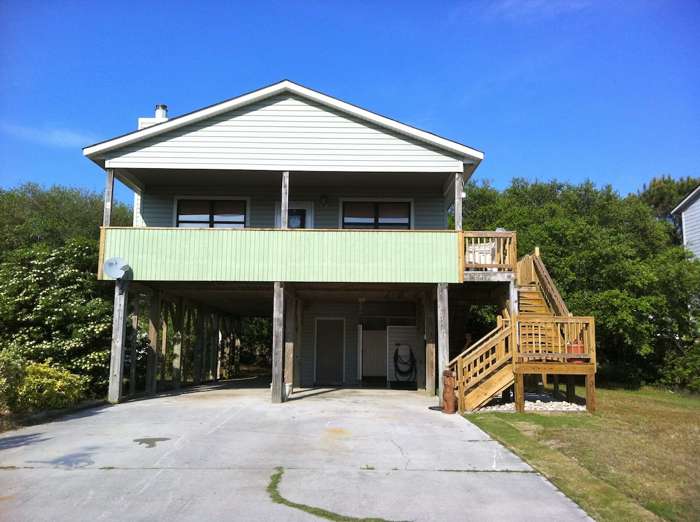
The preserve entrance is about five minutes from our Kill Devil Hills places, off the west side of the bypass.
Browse the properties