In short
Jockey's Ridge State Park in Nags Head protects the tallest natural sand dune system in the eastern United States. Entry and parking are free. The park is open 8 a.m. to 9 p.m. from May through September, and the busiest hour is the one before sunset. Wear shoes, because summer sand can run 30 degrees hotter than the air.
- Where
- Nags Head, NC
- Cost
- Free, including parking
- Season
- Open year round. 8 a.m. to 9 p.m. May through September
- Time needed
- 1 to 2 hours
- Good for
- Families, sunset watchers, first-time visitors
- Address
- 300 W. Carolista Drive, Nags Head, NC 27959
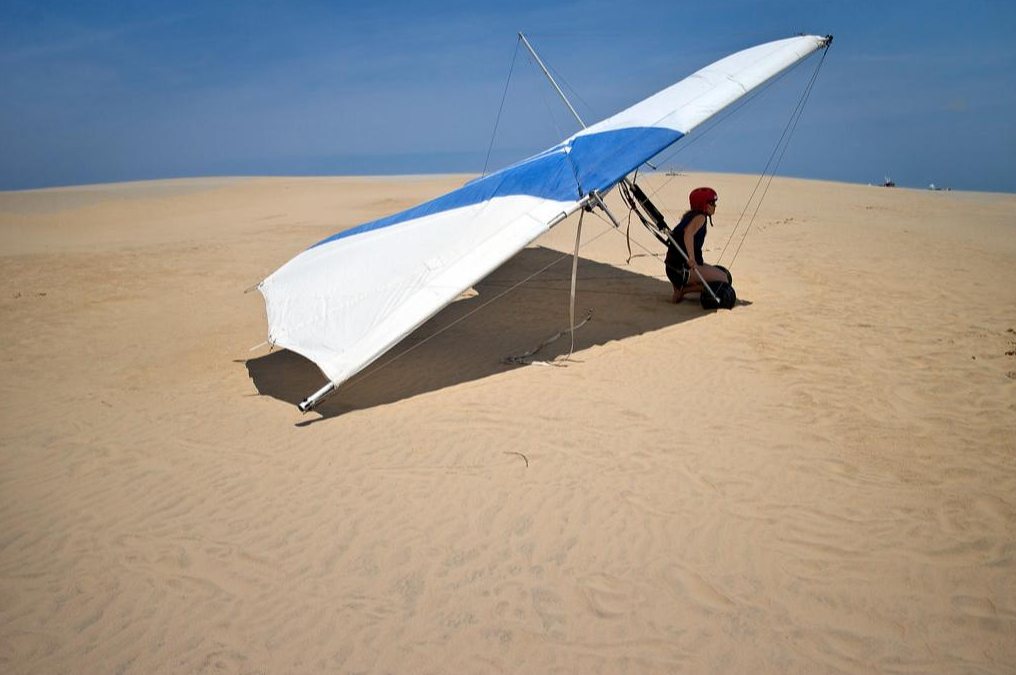
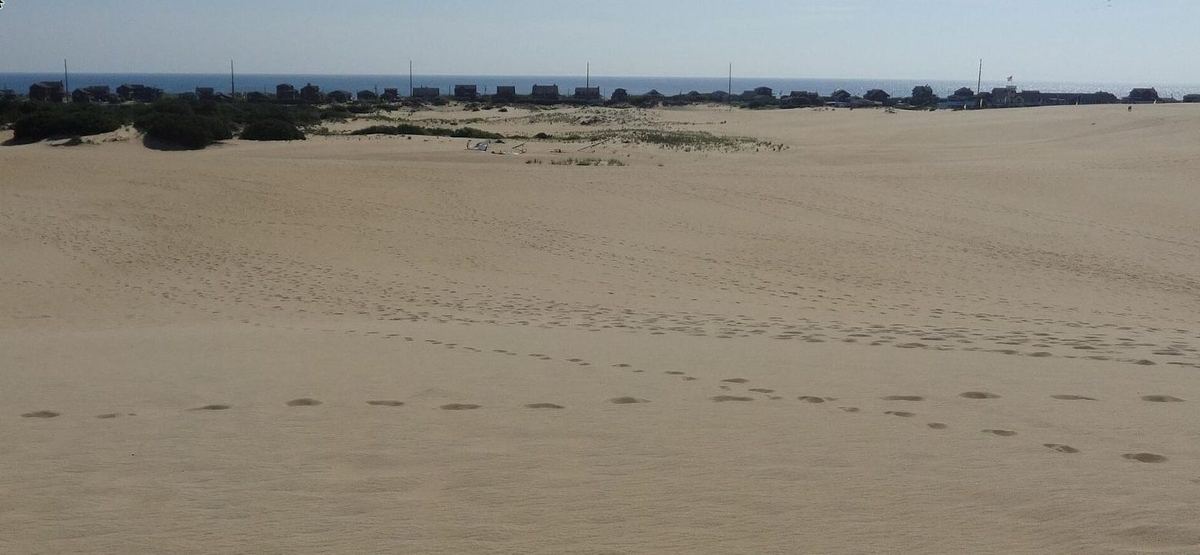
There is a moment climbing Jockey's Ridge where the parking lot disappears behind you and there is nothing in any direction but sand. It is briefly disorienting. Then you reach the top and the whole barrier island lays out at once, ocean on one side, sound on the other, and you can see how thin the strip of land you are standing on really is.
This is the tallest natural sand dune system in the eastern United States. It sits in the middle of Nags Head, free to walk into, open every day but Christmas.
What it actually is
A living dune. The sand is not anchored by vegetation, so the whole system moves, drifting a few feet southwest each year as the wind switches between northeast in winter and southwest in summer. The height figure moves with it, generally somewhere between 80 and 100 feet depending on the year and where you measure.
The park protects about 426 acres of that dune field. It exists because of a local resident named Carolista Baum, who in 1973 reportedly stood in front of a bulldozer sent to level the dune for development. The entrance road carries her name now.
Climbing it
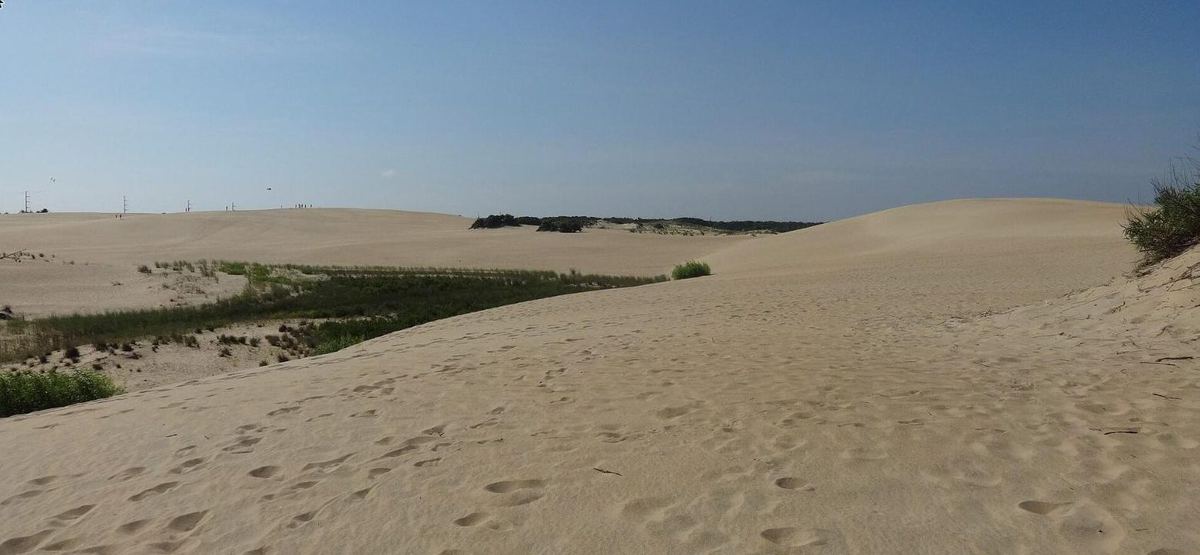
There is no trail up the main dune and you do not need one. You pick a line and walk. It is harder than it looks, because sand takes back part of every step, but most reasonably mobile people reach the top in ten or fifteen minutes. Kids tend to go straight up and roll all the way back down.
Wear shoes. This is the advice most first-time summer visitors skip and then regret. Sand temperature here can run as much as 30 degrees above the air temperature, so an 85 degree afternoon means sand hot enough to burn bare feet. It is the same reason to think twice about bringing a dog mid-day. The park specifically recommends paw protection.
Carry water, because there is no shade anywhere on the dune, and a bag for your phone. Fine sand gets into everything.
Sunset is the reason to come
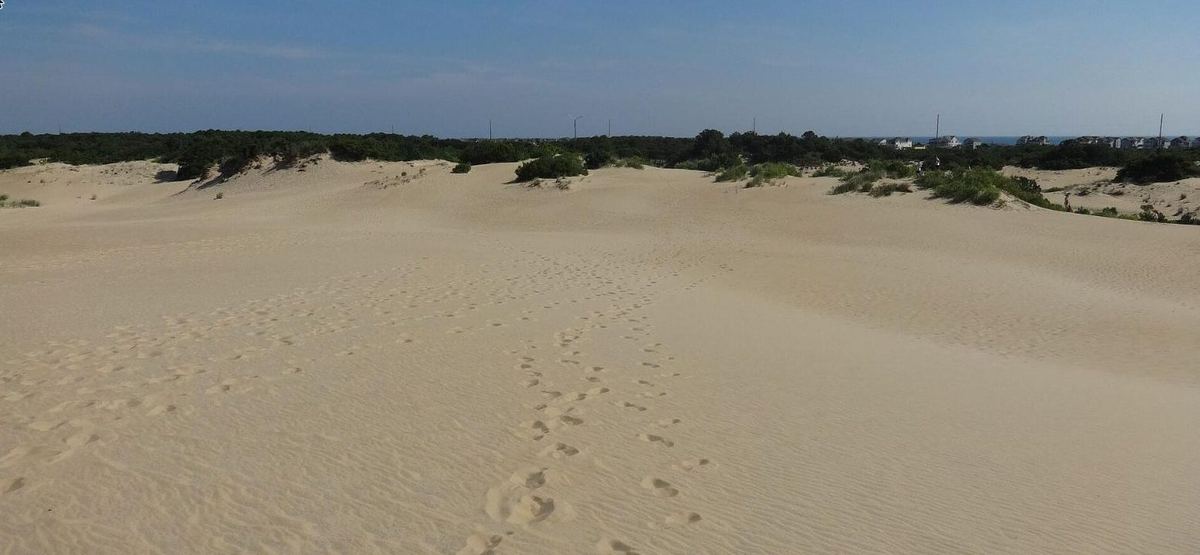
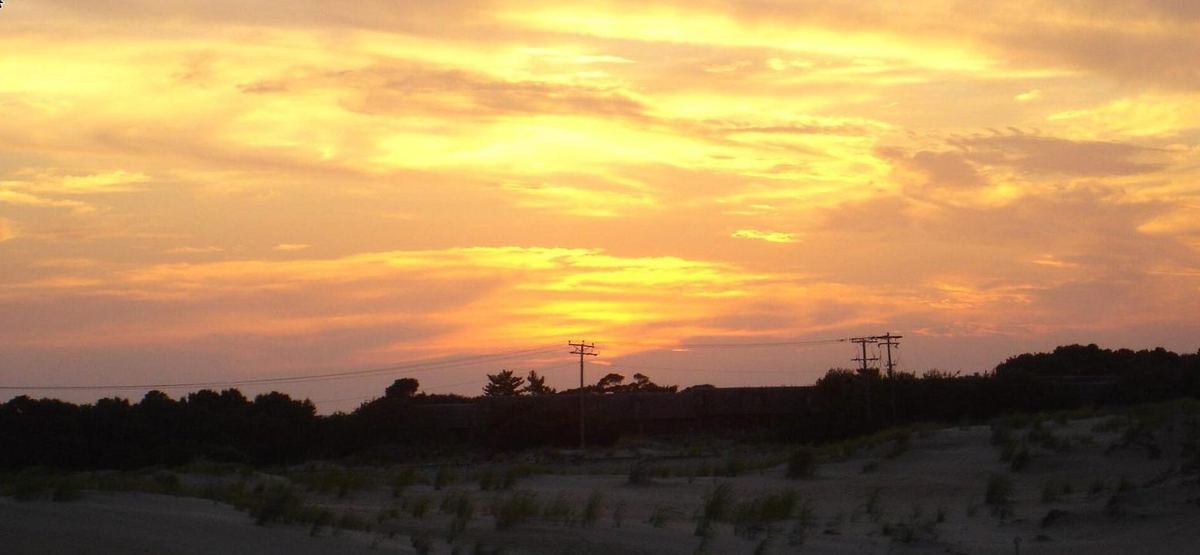
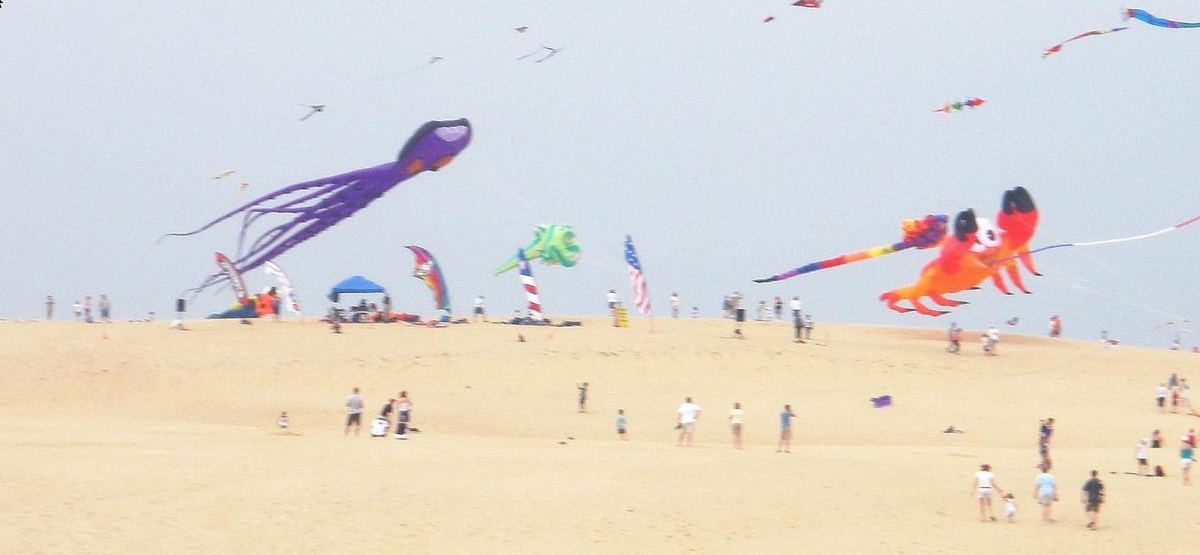
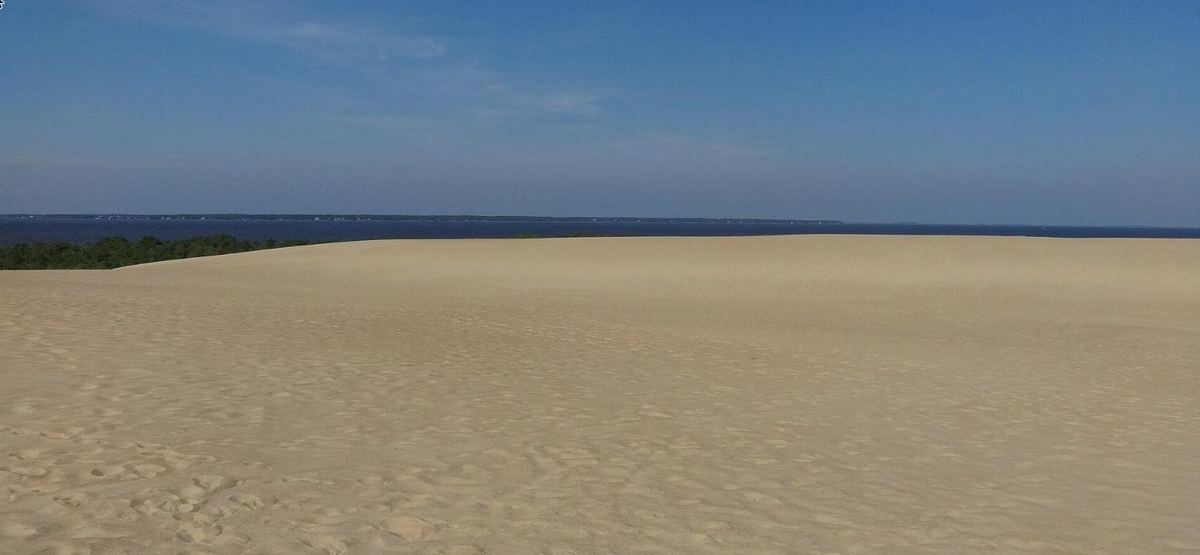
The dune faces west across Roanoke Sound with an uninterrupted horizon. On a clear evening it is one of the best places to watch the sun go down on the Outer Banks, and in summer a real crowd forms at the top: blankets, kites in the air, everyone waiting on the same thing.
Give yourself 30 to 45 minutes before sunset to park and climb. The park stays open until 9 p.m. from May through September, late enough to watch the sky finish and still walk down in usable light. Bring a small flashlight if you plan to linger past that.
Flying things
Steady ocean wind hits an enormous obstacle-free slope here, which makes it one of the better kite spots on the East Coast. Any kite works. Kitty Hawk Kites has sat across the road for decades and will sell you one.
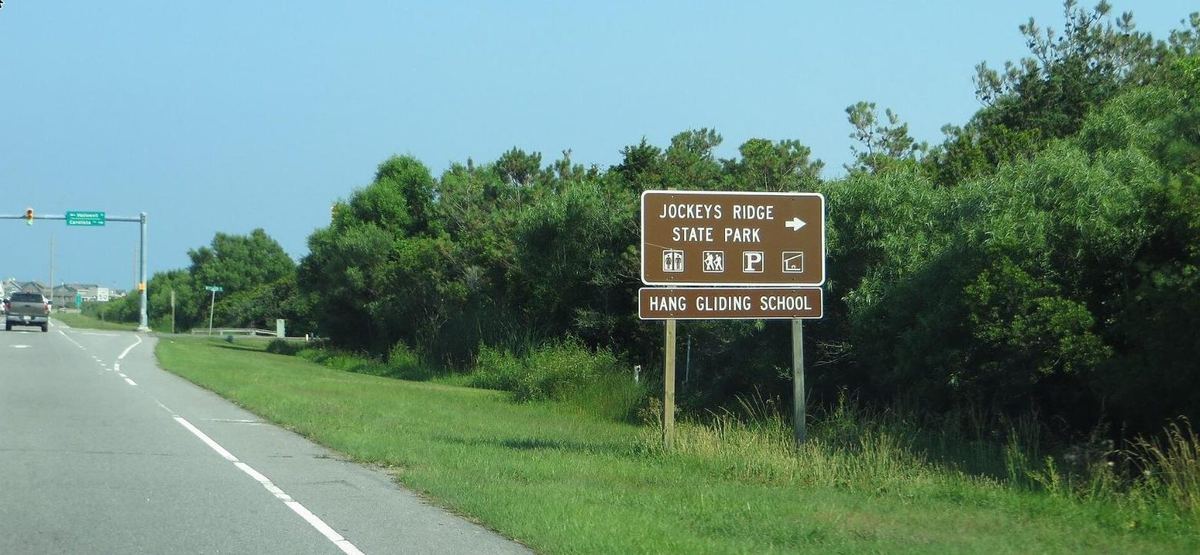
It is also a hang gliding school, the largest in the world, run on the dune through a concession agreement with the park. Soft sand is why beginners can learn here safely. If you are already a rated pilot flying your own wing, you need a permit from the park office, and it is free.
Sandboarding
Allowed, no permit needed, but bring your own board. The park does not rent equipment. Boards with foot bindings work best, though boogie boards, skim boards, disc sleds and heavy cardboard are all permitted. Expect it to be slower than snowboarding. The appeal is the rhythm of climbing and sliding, not speed.
The sound side is a different park
Most visitors never see it. A separate entrance at 330 W. Soundside Road opens onto the Roanoke Sound shoreline, where the water is shallow, warm and calm, the opposite of the ocean side. It is the better choice with small children, and it is where kiteboarders and windsurfers launch.
Watch the hours, which differ. Soundside access closes at 7 p.m. from April through September, two hours before the main park.
Practical notes
The visitor center holds a small museum on dune ecology and the 384 foot boardwalk out over the sand. It keeps shorter hours than the park itself, around 9 a.m. to 4 p.m., so plan around that if you want to see it. There is no camping. Picnic shelters can be reserved through the NC State Parks reservation system.
Allow an hour if you only want to climb up, look, and come down. Two if you are bringing a kite or a board, or staying for the sunset.
Hours and rules shift with the season, so it is worth checking the official NC State Parks page before you drive over.
Common questions
How much does it cost to visit Jockey's Ridge State Park?
Nothing. There is no entrance fee and no parking fee for day use. Fees apply only to picnic shelter reservations and a few special permits.
What time does Jockey's Ridge close?
From May through September the park is open 8 a.m. to 9 p.m. It closes earlier the rest of the year: 8 p.m. in March and April, 7 p.m. in October, and 6 p.m. from November through February. The park is closed on Christmas Day.
Can you sandboard at Jockey's Ridge?
Yes, and you do not need a permit. You do have to bring your own board, because the park does not rent them. Sandboards with foot bindings, boogie boards, skim boards, disc sleds and heavy cardboard are all allowed.
Is Jockey's Ridge wheelchair accessible?
Partly. A 384 foot boardwalk runs from the visitor center out over the dune and is accessible. The dune itself is not, but the park can arrange an all terrain vehicle ride to the top for visitors with mobility limitations given 24 hours notice. Call (252) 441-7132.
What is the best time of day to visit Jockey's Ridge?
Late afternoon into sunset. The sand is cooler, the light is better, and the dune faces west over Roanoke Sound. Mid-day in summer is the least pleasant time to climb it.
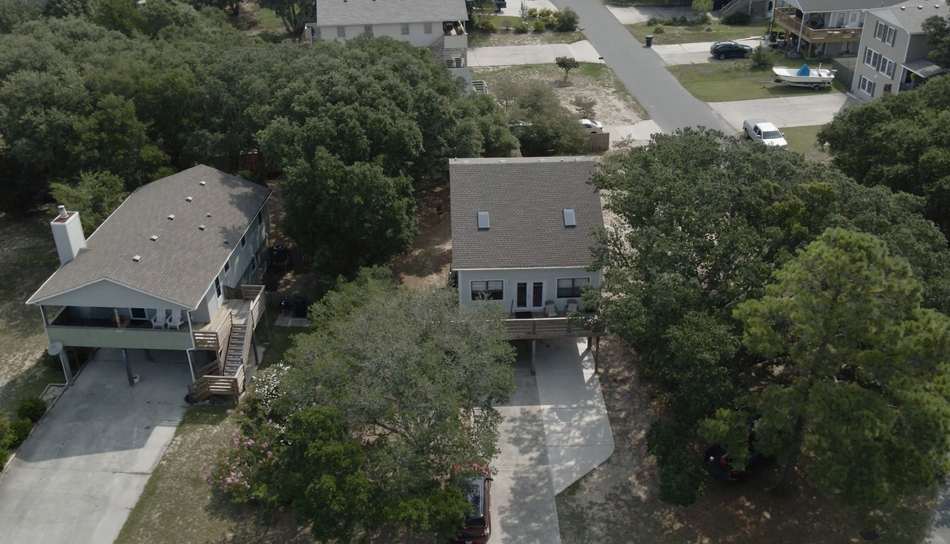
Staying nearby?
Jockey's Ridge is about a 10 minute drive from our places in Kill Devil Hills, and 15 from Kitty Hawk.
Browse the properties